
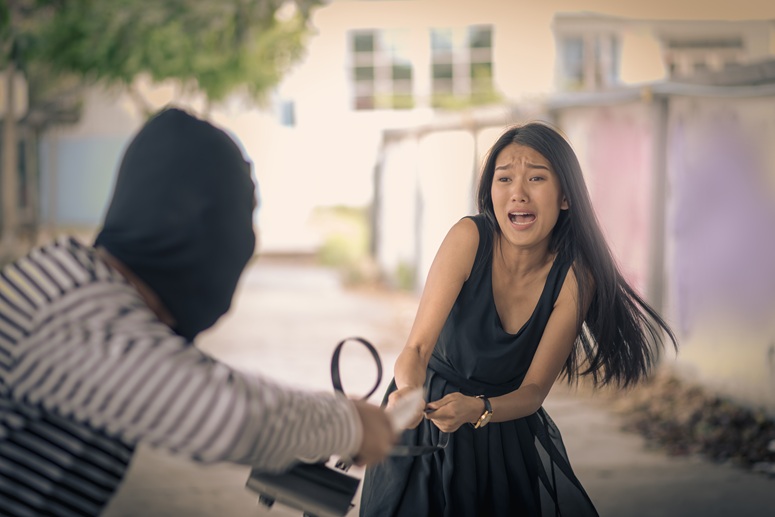
Self-Defense Claims in Violent Crime Cases in South Carolina
When it comes to self-defense claims in violent crime cases, there is a lot you should know. While self-defense is a viable defense strategy, it’s also legally challenging. Because protecting your rights is paramount and the outcome of your case will directly affect your future, you shouldn’t wait to consult with an experienced South Carolina violent crime defense attorney at The Law Office of Mo Abusaft.
Self-Defense if You’ve Been Charged with a Violent Crime
To successfully claim self-defense in South Carolina, each of the following elements must apply:
- You did not instigate the violent attack in question but, instead, were defending yourself against it.
- Under similar circumstances, other reasonably prudent people would have used self-defense in relation to the danger faced.
- You credibly believed that you were at imminent risk of being seriously injured or killed.
In 2006, South Carolina enacted a stand your ground law, which means you are no longer required to prove that your actions were the only reasonable means of avoiding the danger in question.
The Burden of Proof Lies with You
If you claim self-defense in the face of a violent criminal charge, the burden of proving that you acted in self-defense is on you. While testifying in your own defense is rarely recommended, your formidable violent crimes defense lawyer will focus on bolstering your claim with solid evidence.
This often comes in the form of eyewitness testimony, physical evidence, and any photos or videos captured at the scene, such as by security cameras, dashcams, or bystanders. Your knowledgeable attorney’s skillful cross-examination of your accuser can also significantly strengthen your defense.
The Applications of Self-Defense in South Carolina
A successful self-defense strategy can lead to acquittal, which means being found not guilty, and is clearly the best scenario, other than having the charge against you dropped altogether. Even if your claim of self-defense does not result in a finding of not guilty, however, it could still affect your case. In some cases, self-defense claims that resonate with the presiding judge can lead to lighter sentences within the applicable statutory ranges.
Standing Your Ground in South Carolina
South Carolina’s stand your ground law allows you to use force to defend yourself as long as you are not on the premises illegally and are not breaking the law at the time. Since 2006, you are no longer required to employ another reasonable means of protecting yourself, such as fleeing, when you credibly fear being physically harmed.
Discuss Your Case with an Experienced South Carolina Violent Crime Defense Lawyer Today
When it comes to self-defense claims in violent crime cases, there is a lot you should know. The bottom line is that these cases are legally complicated, but Monier Abusaft at The Law Office of Mo Abusaft will spare no effort on your behalf. Monier is a trusted South Carolina violent crime defense attorney who is squarely on your side and well prepared to make a significant difference in your case’s outcome. Contact us online or call 864-406-8941 today.